In this guide
- What winter in the desert really feels like
- Typical winter temperatures
- Why winter is a good time to go
- The downsides to know about
- How desert camps keep you warm
- What to pack for a winter desert trip
- A typical Sahara desert winter day on tour
- Camel rides and activities in winter
- Zagora or Merzouga in winter?
- Quick FAQ
- Plan your winter desert night
In the Sahara desert in winter (December to February), days in Zagora and Merzouga are usually sunny and 15–20°C, while nights drop to around 0–5°C and can dip below freezing. Skies are often at their clearest, crowds are thin outside Christmas and New Year, and with warm layers and a good camp the cold is part of the experience rather than a problem.
What winter in the desert really feels like
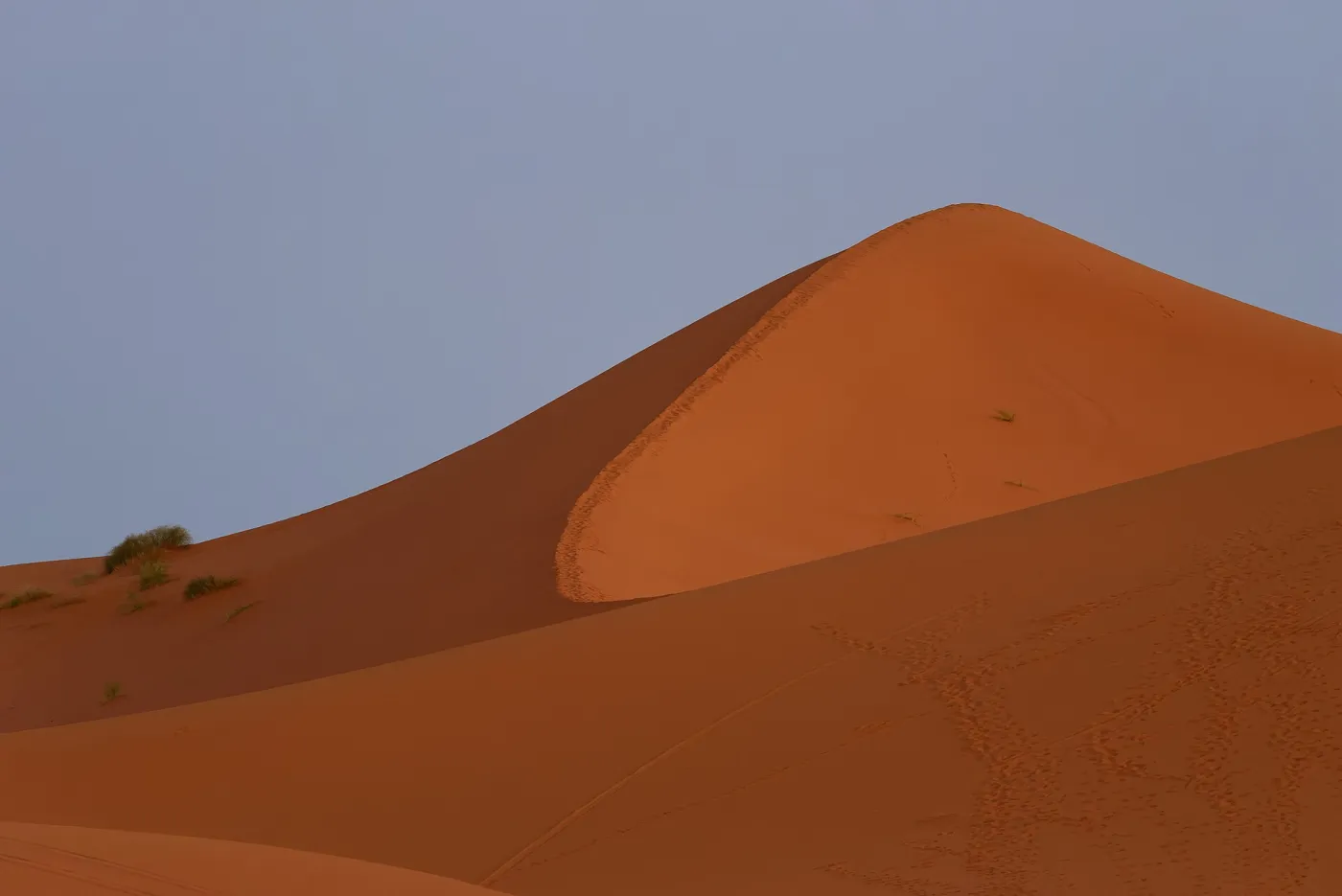
Many of our guests are surprised by how pleasant winter days are. You can walk the dunes in a T-shirt at midday, and the low sun gives soft, golden light for most of the afternoon. The change comes fast: once the sun sets, around 6 pm in December and January, the sand gives up its heat and the temperature can fall 10–15°C within an hour or two. By the time you finish dinner, you will want a hat and a down jacket.
Typical winter temperatures
| Month | Zagora day / night (approx.) | Merzouga day / night (approx.) |
|---|---|---|
| December | 18–21°C / 3–6°C | 17–20°C / 2–5°C |
| January | 17–20°C / 2–5°C | 16–19°C / 0–4°C |
| February | 20–23°C / 4–7°C | 19–22°C / 3–6°C |
On cold, clear nights in the open dunes, temperatures can briefly go below 0°C, especially in early January. Rain is rare; you might see one or two wet days in a whole winter.
Why winter is a good time to go
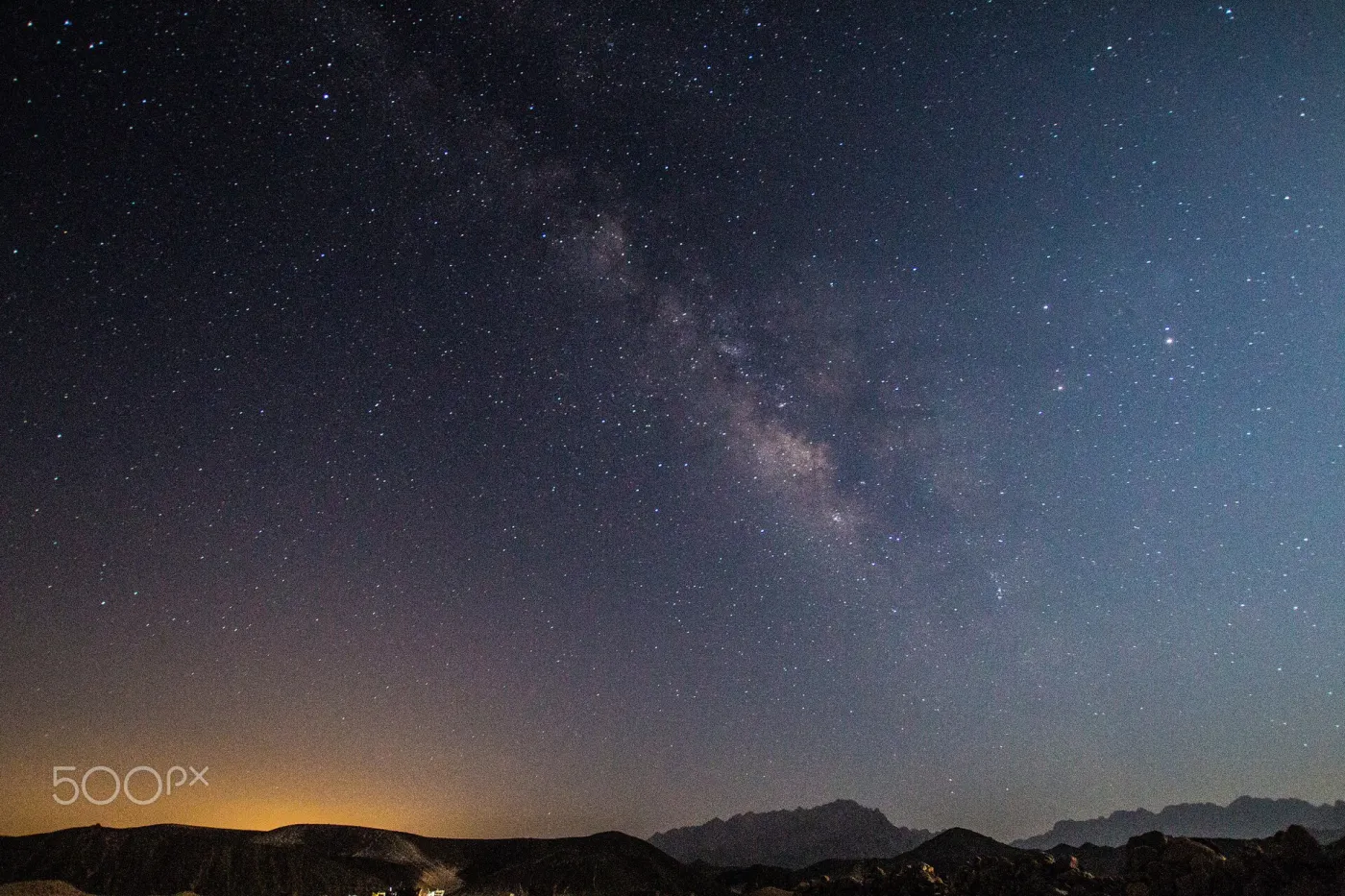
- Clear skies: dry, stable air makes winter excellent for stars. Our stargazing guide lists the upcoming new moons.
- Comfortable days for camel rides, dune walks and sightseeing, with none of the summer heat.
- Fewer people in camps and at sights, except around Christmas and New Year.
- Sharp, low light for photography, with long shadows on the dunes all afternoon.
The downsides to know about
Cold nights and short days
Days are shorter, so a long drive leaves less daylight at the end. Sunrise is around 7:45–8 am in midwinter, which does mean you do not need to get up very early to see it from the dunes.
Snow on the Tizi n'Tichka pass
Every route from Marrakech to the desert crosses the High Atlas, and the Tizi n'Tichka pass at 2,260 m can get snow between December and February. Snowploughs clear the road quickly, and closures, when they happen, usually last hours rather than days. Our drivers check conditions each morning and adjust departure times if needed.
Wind
Occasional cold winds can make evenings feel colder than the thermometer says. A windproof layer matters more than one extra thin jumper.
How desert camps keep you warm
Camps vary a lot, so it is worth asking before you book. What to expect:
- Standard camps: thick wool blankets (usually several per bed), a campfire with music after dinner, and hot tea on demand. Tents are not heated.
- Comfort and luxury camps: often add electric blankets or heaters, private bathrooms with hot showers and better-insulated tents.
- Everywhere: dinner is served hot, usually a tagine and harira soup, which helps more than you would expect.
We choose camps that provide enough bedding for winter and will ask for extra blankets on your behalf.
What to pack for a winter desert trip
- A warm down or synthetic jacket
- Thermal base layers (top and leggings) to sleep in
- Warm hat, gloves and a scarf or cheche for wind and sand
- Wool socks, plus closed shoes for cold sand in the morning
- Sunglasses, sunscreen and lip balm, because the daytime sun is still strong
- A head torch and a reusable water bottle
- A small hot-water bottle, if you feel the cold easily
For the city part of your trip, our season-by-season advice on what to wear in Marrakech helps you plan one bag for both.
A typical Sahara desert winter day on tour
To give you a feel for it: you leave your Marrakech riad around 7:30 am, cross the Atlas in crisp morning air, stop for lunch in the sun near Ouarzazate or in the Draa Valley, and reach the edge of the dunes by mid-afternoon. The camel ride into camp starts around 4:30 pm, you watch the sunset at about 6 pm, and dinner is served in a warm dining tent. After music by the fire, you sleep under several blankets, then wake to a pink sky and hot coffee before the ride back out.
Camel rides and activities in winter
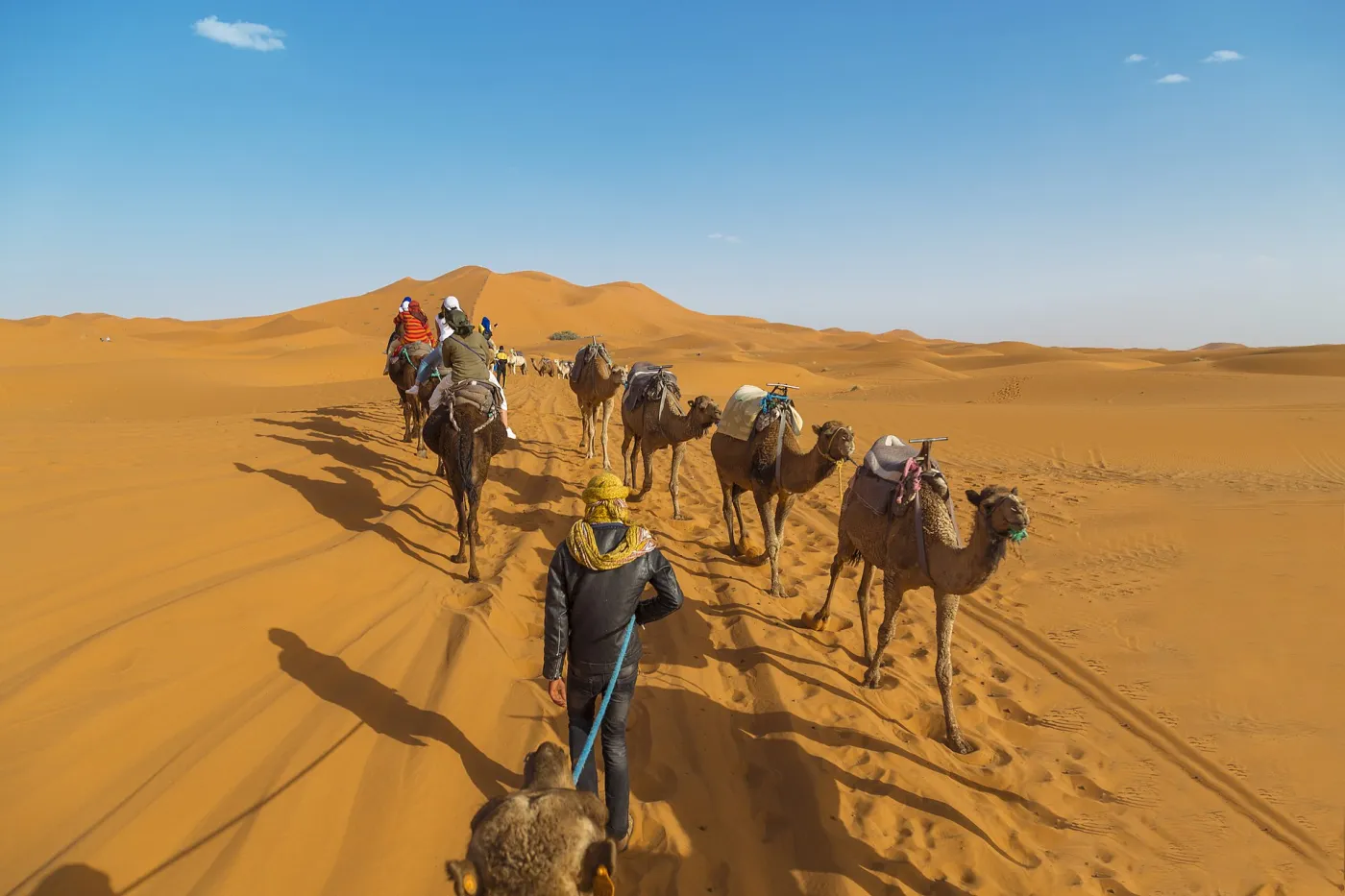
Winter is one of the most comfortable times for a camel trek: no heat, soft light and a sunset around 6 pm that lines up nicely with the ride into camp. Wear gloves, as the saddle handle gets cold after sunset. For more practical tips on the ride itself, see our first camel trek guide. Visits to nomad families are also easier in winter, when many are camped on the plains; read our etiquette guide for meeting nomads first.
Zagora or Merzouga in winter?
Zagora is about 7 hours from Marrakech and slightly milder at night; it suits an overnight trip if you are short on time. Merzouga is 9–10 hours away with higher, more dramatic dunes and slightly colder nights, and needs at least three days. Both are very good in winter. You can compare them on our Sahara journeys page.
Quick FAQ
Does it snow in the Sahara in Morocco?
Snow in the dunes is extremely rare. Snow is more likely on the High Atlas pass you cross on the drive, between December and February.
Is Christmas a good time for the desert?
The weather is fine, but it is the busiest week of winter, so book early. Early December and mid-January are much quieter.
Can children do a desert trip in winter?
Yes, with warm sleepwear and a camp with good blankets. Many families find winter easier than summer.
For a wider view across the whole year, see this month-by-month guide to the Sahara seasons.
Plan your winter desert night
Our Zagora overnight desert trip (from €90 per person) is a good winter choice: two days, one night in a desert camp, free pickup from your Marrakech riad and a licensed local driver who watches the Atlas weather for you. Send us your dates on WhatsApp or through the website; we will confirm which camp and how many blankets, and there is no online prepayment.
Comments